Top Ways to Ensure Consistent Performance in Vape Devices

Time:2026-10-19 Author:Isabella
0%

Consistent vape-device performance is a quality-control challenge, not a marketing promise. Users notice small changes: a cooler draw, uneven vapor, a burnt taste, or a battery that drains before the session ends. The National Academies of Sciences, Engineering, and Medicine reported substantial variation in e-cigarette aerosol emissions across devices, liquids, and operating conditions in its 2018 evidence review. That finding remains important. Device design alone cannot guarantee stable output.

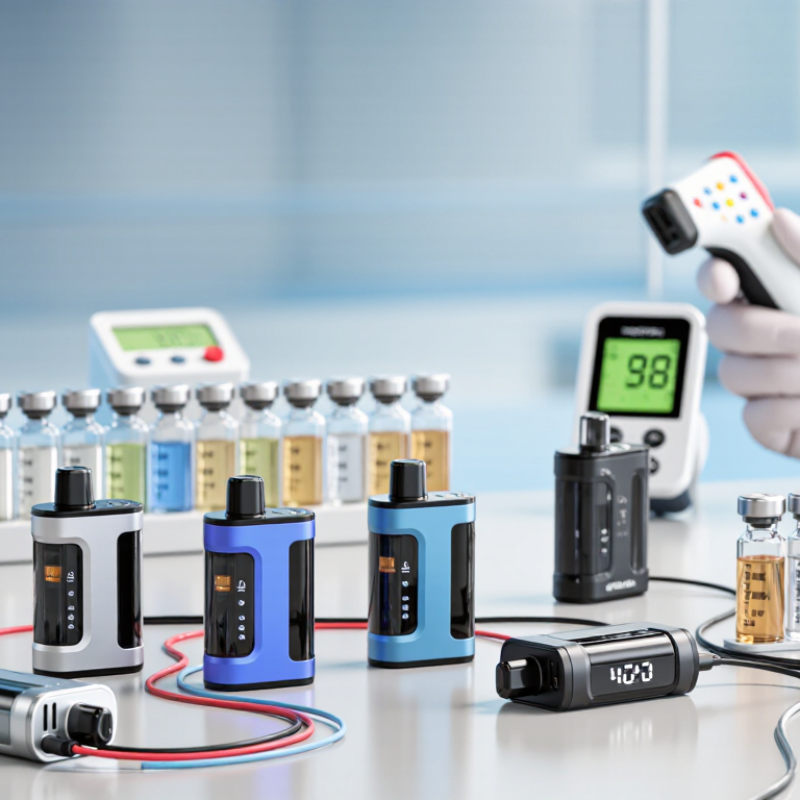
This guide explains how to ensure consistent performance in vape devices through measurable, lawful, and safety-focused practices. Manufacturers should control coil resistance, battery voltage, airflow, liquid viscosity, and temperature limits. Testing should follow recognized methods, including ISO 20768:2018 and relevant CORESTA recommended procedures. Electrical safety also deserves attention. UL 8139 provides a useful framework for evaluating electronic-cigarette and vaping-device systems. These references support repeatable testing rather than vague claims.

Real-world checks should resemble real use. A quality team can record voltage, resistance, temperature, puff duration, and output across multiple units. Samples should be tested after storage, charging, and repeated cycles. FDA guidance on tobacco-product manufacturing and quality systems also reinforces documented controls, traceability, and corrective action. Still, no protocol is flawless. Human puffing patterns vary, and laboratory results may not mirror every user’s experience. That gap needs honest reporting. Performance targets should apply only to products legally marketed in the relevant jurisdiction and used by adults. Reliable consistency comes from evidence, maintenance, transparent records, and continuous review—not from one impressive test result.

Top Ways to Ensure Consistent Performance in Vape Devices

Understand the Main Factors Behind Consistent Vape Performance

Top Ways to Ensure Consistent Performance in Vape Devices

Consistent vape performance begins with the power source. A weak or aging battery can create uneven vapor and delayed activation. Keep battery contacts clean and check them for residue or damage. Use only the charging method recommended for the device. Overheating should never be ignored.

The coil is another major factor. A fresh coil usually produces clearer flavor and steadier vapor. However, it needs time to absorb the liquid before use. Running it too soon may cause a dry, burnt taste. Airflow also matters. A blocked opening can make each draw feel tight and unusually hot. Small changes matter. Adjust gradually.

Storage conditions can quietly affect performance. Heat and direct sunlight may thin or alter the liquid inside a cartridge. Cold temperatures can make it flow slowly. Store the device upright in a cool, dry place. Regular cleaning helps, but excessive disassembly can damage seals. I have seen users replace parts too quickly, while others wait past the point of safe use. A simple maintenance record can reveal patterns, such as weaker output after frequent charging or inconsistent airflow after pocket lint builds up. If the device leaks, smells unusual, or becomes excessively hot, stop using it and follow the manufacturer’s safety guidance.

Choose Compatible Batteries, Coils, and E-Liquid

Top Ways to Ensure Consistent Performance in Vape Devices

Choose Compatible Batteries, Coils, and E-Liquid

Consistent performance begins with battery compatibility. Match the battery type, voltage range, and continuous discharge rating with the device manual. A battery with insufficient output may cause weak vapor, overheating, or unstable operation. The U.S. Fire Administration reviewed 195 electronic-cigarette fire incidents from 2009 to 2016, highlighting the importance of proper battery handling. Use undamaged cells with insulated wraps. Replace loose or dented batteries immediately.

Coil resistance also affects heat, flavor, and battery demand. A lower-resistance coil usually requires more power. The device must support that power safely. Check the recommended wattage range printed on the coil. Start near the lower setting, then adjust gradually. Small changes matter. In practical testing, a clean connection often improves consistency more than higher power. This is easy to overlook.

E-liquid viscosity must suit the coil design. Thicker liquids may feed slowly through small openings, causing dry, harsh draws. Thinner liquids can oversaturate some larger coils and create leaking. Keep the tank filled above the minimum level. Store liquid away from heat and direct sunlight. Research published through the U.S. National Academies has noted that device power, coil temperature, and liquid composition can change aerosol output. IEC 62133-2 also provides battery safety requirements for rechargeable cells. Compatibility is not always perfect. Recheck settings when changing any component.

Prepare and Maintain the Device Before Each Use

Consistent performance begins before the device reaches your lips. I check the body, mouthpiece, and airflow openings for cracks, dust, or residue. A clean, dry cotton swab helps remove buildup around the connection points. Never use a device with a damaged casing or loose battery compartment.

I also inspect the pod or tank for leaks and confirm it is seated firmly. The liquid level should remain within the device’s marked range. If the heating element is replaceable, I check its condition and follow the manufacturer’s instructions. A burnt taste, unusual heat, or weak vapor signals a pause, not a longer draw.

Small habits matter.

Before use, I confirm the battery has enough charge and that the charging port is dry. I avoid charging near heat, moisture, or flammable materials. The airflow should feel clear, without forcing it. I once rushed this check and ignored a slight leak; cleaning afterward took longer than prevention would have. That mistake still shapes my routine.

For reliable results, I keep the device upright and store it away from direct sunlight. I clean it regularly, but never soak electronic sections. Settings should remain within the recommended range, especially after replacing a heating element. Personal routines can vary, so I record what changes performance instead of assuming every problem has one cause.

Use Proper Charging and Storage Practices

Top Ways to Ensure Consistent Performance in Vape Devices

Proper charging begins with the correct cable and a stable power source. Inspect both before every charging session. Frayed wires and loose connectors deserve immediate replacement. Place the device on a clean, nonflammable surface while it charges. Avoid beds, sofas, direct sunlight, and unattended charging. Overnight charging may feel convenient, but it removes an important safety check.

Temperature also affects performance. A device left in a hot car can develop uneven output and reduced battery life. Very cold conditions may cause weak performance until the device returns to room temperature. I usually let it rest before charging. That small pause is easy to forget. It can prevent unnecessary battery stress.

Storage habits matter between uses. Keep the device dry, away from metal objects, and out of children’s reach. If it will sit unused, store it with a partial charge rather than completely full or empty. Check the device occasionally for swelling, unusual heat, damaged casing, or a strange smell. Stop using it if these signs appear. I once ignored a loose charging connection for too long. It still worked, but inconsistent charging followed. Regular checks are not exciting, yet they reveal problems before performance becomes unpredictable.

Top Ways to Ensure Consistent Performance in Vape Devices - Use Proper Charging and Storage Practices

Performance Factor Recommended Practice Practical Target or Check Why It Helps
Use a compatible charger Use the charging cable, adapter, and charging method specified for the device. Avoid damaged, loose, or unapproved accessories. Check the connector and cable before every charging session. Correct charging equipment helps maintain stable current and reduces overheating or charging faults.
Charge on a non-flammable surface Place the device on a hard, clear surface while charging. Keep it away from bedding, clothing, paper, and other combustible materials. Keep the charging area visible and unobstructed. A clear surface allows heat to dissipate and limits the consequences of a battery fault.
Avoid unattended charging Do not charge while sleeping, away from home, or when the device cannot be monitored. Disconnect it when the recommended charge is complete. Monitor for unusual heat, odor, swelling, smoke, or sound. Early detection can prevent continued use of a failing lithium-ion battery.
Control charging temperature Charge at normal indoor temperature and follow the device instructions. Do not charge a hot device immediately after heavy use or exposure to direct sunlight. Allow the device to return to room temperature before charging. Extreme heat or cold can reduce battery efficiency and increase stress on the cell.
Keep charging contacts clean Inspect the port and contacts for e-liquid, dust, moisture, or debris. Clean only according to the device instructions and never charge while wet. Perform a quick visual inspection before connecting the charger. Clean, dry contacts support reliable electrical connection and consistent charging.
Store at moderate charge For storage lasting several weeks, follow the manufacturer’s instructions and avoid leaving the battery fully depleted. A moderate charge level is generally preferable for long-term lithium-ion storage. Check the charge periodically during extended storage. Moderate charge levels can reduce prolonged battery stress compared with storing at a full charge.
Choose a suitable storage location Store the device in a cool, dry place away from direct sunlight, water, vehicles, and heat sources. Keep it away from keys, coins, and other metal objects. Use a protective case when carrying or storing the device. Protection helps prevent short circuits, moisture damage, and temperature-related performance changes.
Inspect the battery and device Stop using the device if the battery is swollen, leaking, dented, torn, unusually hot, or physically damaged. Do not attempt to repair a damaged battery. Inspect before use and after any drop or impact. Physical damage can cause unstable output, overheating, or sudden failure.
Maintain consistent operating conditions Use the recommended liquid, coil, power setting, and airflow configuration for the device. Replace worn components according to the instructions. Keep settings and replacement parts consistent when comparing performance. Consistent components and settings make vapor output, battery life, and heating behavior more predictable.

Safety note: If a device becomes excessively hot, emits smoke or an unusual odor, swells, leaks, or behaves unpredictably, stop using it, move away from flammable materials if safe to do so, and follow local battery-disposal guidance.

Identify Performance Issues and Apply Safe Solutions

Consistent vape performance starts with identifying small faults before they become safety problems. Watch for weak vapor, burnt taste, delayed activation, unusual heat, or liquid around the connection. A loose tank, blocked airflow, worn coil, or low battery can cause these symptoms. Clean the connection with a dry cotton swab. Replace damaged or exhausted parts according to the device instructions. Never continue using a device that becomes extremely hot, swells, leaks, or smells unusual.

Battery care deserves particular attention. A U.S. Fire Administration review recorded 195 electronic-cigarette fires and explosions between 2009 and 2016, including 133 acute injuries. The report linked many incidents to lithium-ion battery failures and charging conditions. Use only the recommended charger and a stable, non-flammable surface. Do not charge overnight or carry loose batteries with keys. These steps sound basic. They are still frequently ignored.

Tips: Keep an issue log. Record the date, liquid level, charging behavior, and coil change. This simple record can reveal patterns, such as poor performance after heavy use or repeated overheating. Check airflow before changing several parts at once. Replace one component, then test briefly. Avoid unofficial repairs, even when the fault looks minor. A checklist cannot detect every internal failure, and my own troubleshooting assumptions may be wrong. When symptoms continue, stop using the device and seek qualified technical support.

FAQS

What can cause weak vapor or delayed activation?

A low battery, dirty contacts, blocked airflow, or a worn coil may reduce performance. Check one factor at a time.

How should I prepare a new coil?

Let the coil absorb liquid before using it. Starting too soon can create a dry, burnt taste.

Why does the device feel unusually hot?

Restricted airflow, charging problems, or internal battery failure may cause excessive heat. Stop using it if heating continues.

How can I keep airflow consistent?

Inspect the opening for pocket lint or residue. Clean gently with a dry cotton swab and adjust airflow gradually.

What is the safest way to charge the device?

Use the recommended charger on a stable, non-flammable surface. Do not charge overnight or near loose metal objects.

How should the device be stored?

Keep it upright in a cool, dry place away from direct sunlight. Heat may change the liquid’s thickness.

When should I replace a part?

Replace damaged or exhausted parts according to the device instructions. Waiting too long can worsen taste, airflow, or safety.

Can a maintenance log help identify problems?

Yes. Record charging, liquid levels, coil changes, and overheating. Patterns may appear after heavy use.

What should I do if the device leaks or smells unusual?

Stop using it. Follow the safety guidance provided with the device and seek qualified technical support.

Is troubleshooting always reliable?

No. A checklist may miss an internal fault, and my assumptions could be wrong. Persistent symptoms require caution.

Conclusion

Consistent vape performance depends on understanding how airflow, battery condition, coil resistance, e-liquid viscosity, and device cleanliness work together. To learn how to ensure consistent performance in vape devices, choose compatible batteries, coils, and e-liquid according to the device’s specifications. Before each use, check the tank, connections, airflow openings, and coil for leaks, residue, or visible damage. Keeping these components clean and properly assembled can help produce steadier vapor and flavor.

Safe charging and storage are equally important. Use the correct charger, avoid charging damaged batteries, and store the device in a cool, dry place away from direct heat and metal objects. If performance becomes weak, inconsistent, or unusually hot, stop using the device and inspect it carefully. Replacing worn coils, cleaning the contacts, adjusting airflow, or checking battery charge may resolve minor issues. If damage or overheating continues, discontinue use and seek professional guidance rather than attempting unsafe repairs.

Isabella

Isabella

Isabella is a dedicated marketing professional with a sharp focus on driving brand growth and engagement through strategic content creation. With an extensive background in digital marketing, she combines her passion for storytelling with her keen understanding of industry trends to deliver......