Learning how to properly charge vape batteries is essential for safer, longer-lasting device use. Rechargeable lithium-ion batteries can deliver reliable power, but they require careful handling. A loose battery, damaged wrap, or unsuitable charger may create serious risks. This guide introduces ten practical charging tips based on manufacturer guidance and common battery-safety practices.
Small details matter. Use the charger supplied with the device whenever possible. Keep the battery and charging port clean and dry. Place the device on a hard, nonflammable surface, away from beds, curtains, paper, and direct sunlight. Never charge a visibly swollen, dented, leaking, or overheated battery. Stop immediately if you notice unusual heat, odor, or crackling sounds.
Stay nearby.
Avoid charging overnight or while leaving home. Disconnect the charger when the battery reaches full capacity, unless the manufacturer gives different instructions. Check the cable for cuts, bent connectors, or loose sections before every use. Experience shows that people often ignore minor damage until it becomes a larger problem. I have also seen users assume that every USB adapter works safely, which is not always true. Use compatible, reputable charging equipment instead.
Battery care is not complicated, but it does demand consistency. Read the device manual, follow its limits, and replace aging batteries responsibly through approved recycling services. These steps cannot remove every risk. They can reduce preventable mistakes and support more dependable everyday use.
Understanding Vape Battery Types and Charging Requirements
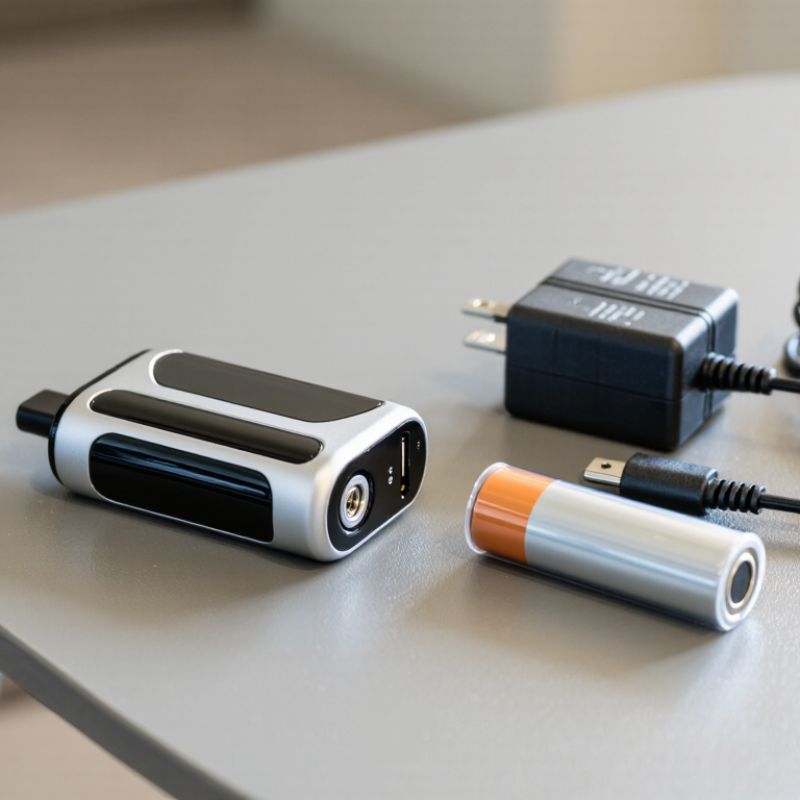
Vape devices use different battery designs, and their charging needs are not interchangeable. Many compact devices contain a built-in lithium-ion battery. Charge these through the device’s designated port, using the cable and power source specified in its manual. A removable-cell device requires a compatible external charger; check the cell’s stated chemistry and ratings before charging. Similar-looking batteries may have different requirements. Small details matter.
Charging behavior can offer useful clues. If a device or battery becomes unusually hot, swells, leaks, or develops damaged insulation, stop using it and follow the manufacturer’s guidance for safe handling. Never charge a damaged cell. Place charging equipment on a stable, dry surface away from bedding, paper, and direct sunlight. Avoid charging unattended or while sleeping. It may feel cautious, but heat and battery damage deserve attention.
Use only a charger designed for the battery or device, and do not force a loose or mismatched connection. For removable cells, charge each one as directed; avoid mixing cells with different ages, capacities, or charge levels in the same device. USB ports can supply different amounts of power, so a familiar cable does not guarantee suitable charging. Check the manual rather than guessing. I once thought a slower charge was always safer; that assumption is not reliable across all devices. If instructions are missing or unclear, ask the device maker or a qualified repair professional before charging.
Preparing a Safe Charging Area and Inspecting the Battery
Before charging, choose a dry, cool spot with steady airflow. A clear countertop works better than a bed, sofa, or cluttered desk. Keep paper, curtains, and other easily ignited materials well away. No direct sun. Avoid bathrooms, damp windowsills, and places where a cup could spill. Use the charging method specified in the device instructions, and place the device on a stable, noncombustible surface. Stay nearby while it charges; don’t leave it running overnight or while you are away. Unplug it when charging is complete. Small habits matter.
Inspect the battery and device before connecting anything. Look for dents, cracks, swelling, frayed wires, corrosion, or liquid around the contacts. Check for unusual warmth, too. If you notice damage or a strange smell, don’t charge or use the device; seek qualified guidance about safe handling and disposal. Don’t try to flatten, open, or repair a damaged battery yourself. For removable batteries, only remove them if the device is designed for that, and follow its instructions. I once overlooked a worn cable because charging still seemed normal. That was poor judgment. A quick check now can prevent a much bigger problem later.
Choosing the Correct Charger and Connecting It Properly
Choose a charger designed for your vape battery and its exact electrical requirements. Check the output voltage, current, and connector before plugging anything in. A universal cable is not automatically safe. The charger should follow recognized standards, such as IEC 62133-2 for rechargeable battery safety, where applicable. Never use a crushed cable, bent connector, or loose adapter. Fit matters.
Connect the charger gently, without forcing the plug. Place the device on a hard, dry, nonflammable surface away from bedding and direct heat. Keep the connection visible while charging. The U.S. Fire Administration’s report, Electronic Cigarette Fires and Explosions in the United States 2009–2016, documented 195 incidents. That figure does not prove every charger causes danger, but it shows why connection quality deserves attention. Unusual heat, swelling, hissing, or a sharp chemical smell means disconnect power only if safe, then stop using the battery.
I used to trust a cable because it fit. That was careless. A proper connection also requires clean contacts and a stable wall outlet. Do not charge overnight or leave the setup unattended. Disconnect the charger when the battery reaches its specified full level. Avoid charging a damaged battery, even if it still works. Small habits matter. I still check twice, especially when the connector feels unusually tight.
Monitoring the Charging Process and Recognizing Warning Signs
Monitoring the charging process is as important as choosing the correct charger. Place the vape battery on a clean, dry, nonflammable surface. Keep it away from beds, sofas, paper, and direct sunlight. Stay nearby while it charges. A quick check every 10 to 15 minutes can reveal changes early.
Watch the battery, cable, and charging area closely. Slight warmth may occur, but excessive heat is a warning sign. Stop charging if you notice swelling, leakage, a sharp chemical smell, hissing, smoke, or unusual discoloration. A damaged cable also deserves attention. Do not continue charging through a loose connection. Unplug the charger if it is safe, and move away from the device if it becomes dangerously hot. Never puncture, squeeze, or immerse a swollen battery in water.
Do not charge a battery overnight or leave it unattended for long periods. Use only a charger designed for that battery type, and check the connection before starting. The indicator light can help, but it should not replace physical observation. A full-charge signal does not make a damaged battery safe. I sometimes recheck the setup because small habits are easy to overlook. No routine is perfect. If warning signs appear, stop using the battery and follow local guidance for safe battery disposal.
How to Properly Charge Vape Batteries: Top 10 Tips
Monitoring the Charging Process and Recognizing Warning Signs
This chart shows a typical single-cell lithium-ion charging profile: pre-charge, constant-current charging, constant-voltage charging, and charge termination. Voltage should normally stop increasing at about 4.2 V per cell, while charging current gradually falls during the constant-voltage stage. Stop charging immediately if the battery becomes unusually hot, swells, leaks, smells abnormal, or shows visible damage. Never charge a damaged battery or leave a charging battery unattended.
Reference values represent common 4.2 V lithium-ion cell charging behavior; actual limits depend on the battery and charger specifications.
Storing, Maintaining, and Replacing Vape Batteries Safely
How to Properly Charge Vape Batteries Top 10 Tips?
Safe charging starts with the battery maker’s instructions and a charger designed for that specific battery type. Check the battery and charger before use. If you see a dent, torn wrap, corrosion, or unusual heat, stop using it. A damaged battery is not worth the risk. Charge on a dry, stable surface, away from bedding, paper, and direct sunlight. Stay nearby while it charges, and unplug it when charging is complete. Never charge a battery that is wet or visibly damaged.
Tips: Store batteries in a cool, dry place, away from coins, keys, and other metal objects. Use a protective case when carrying spare batteries; loose cells in a pocket can short-circuit. Keep them away from children and pets. Avoid hot cars and freezing conditions. Small habits matter.
Replace a battery if its casing is damaged, it leaks, smells unusual, or heats up during ordinary use. Don’t try to repair or force open a battery. Follow local guidance for battery recycling or disposal rather than putting damaged cells in household trash. I admit storage can feel like a minor detail, but a case and a quick inspection take only seconds. When in doubt, stop using the battery and ask a qualified retailer or recycling service for advice.
Conclusion
Learning how to properly charge vape batteries starts with identifying the battery type, voltage requirements, and compatible charging method. Before charging, inspect the battery for dents, swelling, leaks, torn wrapping, or unusual heat, and place it on a clean, dry, nonflammable surface away from children, pets, and direct sunlight. Use only a charger designed for that battery, connect it securely without forcing the terminals, and avoid damaged cables or improvised charging solutions.
During charging, remain attentive and disconnect the battery once it is fully charged rather than leaving it unattended for long periods. Stop immediately if you notice excessive heat, a strange odor, discoloration, sparking, or other warning signs. For safe long-term care, store batteries in a protective case, keep them away from metal objects and extreme temperatures, and avoid carrying loose batteries in pockets or bags. Replace any battery that shows damage, reduced performance, or repeated charging problems, and dispose of it through an appropriate battery-recycling service.

 ERA Vape