Leaking vape devices are more than a minor inconvenience. E-liquid can stain clothing, damage electronics, irritate skin, and create slippery surfaces. In 2026, better seals and improved designs may reduce these problems, but no device is completely leak-proof. Small mistakes still matter.
This guide explains how to prevent leakage in vape devices through practical inspection and careful maintenance. It focuses on tank seals, O-rings, coil installation, filling habits, airflow settings, and safe storage. A loose coil can leave a thin wet ring beneath the tank. Excess liquid may then reach the mouthpiece or battery area. Keeping the device upright helps, especially inside a warm car or crowded bag. Heat can thin the liquid and increase seepage.
Check the manufacturer’s instructions before changing parts. Use only compatible components. Do not force a damaged tank closed. Replace cracked glass, stretched seals, or worn coils promptly. Clean residue with a dry, lint-free cloth, and keep liquid away from charging ports. Simple steps help.
Still, maintenance is not perfect. I have seen users clean the outside while missing liquid under the base. That hidden residue often returns later. If leakage continues after inspection, stop using the device and seek qualified assistance. A leaking battery connection should never be ignored. Reliable guidance should come from manufacturers, recognized safety organizations, and trained professionals, not unverified online claims. This approach supports safer decisions without promising results that no device can guarantee.
What Causes Vape Device Leaks?
How to Prevent Leakage in Vape Devices in 2026?
What Causes Vape Device Leaks?
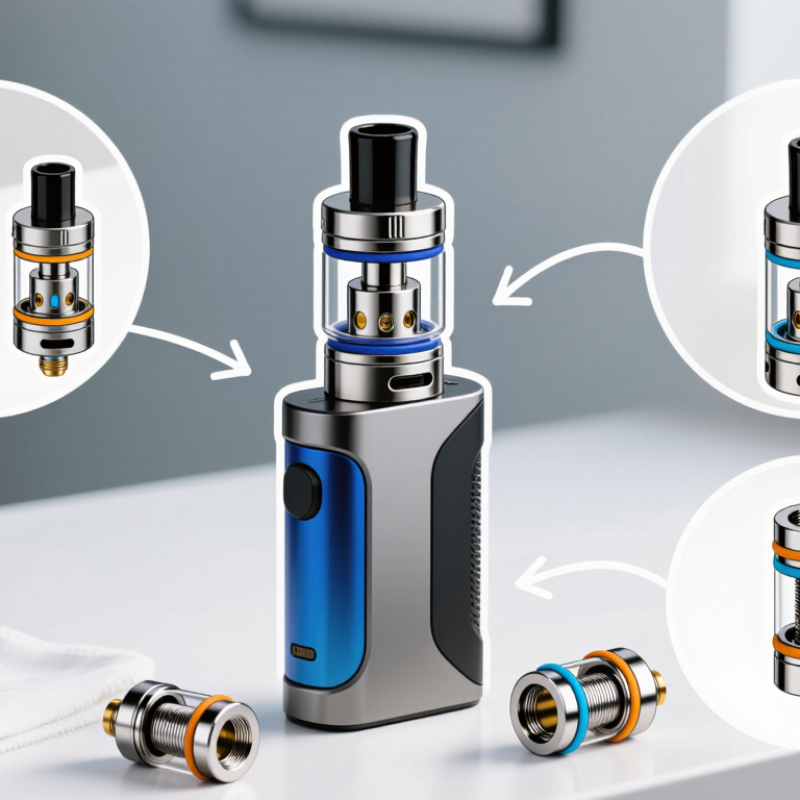
Vape device leaks usually begin with a damaged seal, not the battery. Worn O-rings can flatten after repeated cleaning and refilling. Small seals fail. A cracked pod, loose coil, or poorly fitted mouthpiece can also create a liquid path. Overfilling raises internal pressure, especially when the device warms inside a pocket or car. Thick liquid may move slowly, hiding the problem until it reaches the airflow channel.
User handling matters, too. A device stored sideways for hours may leak through its air inlets. Sudden temperature changes can expand trapped air and push liquid past the seals. Repeatedly tightening components can deform threads, although this is often overlooked. In practical testing, leakage is rarely caused by one factor alone. That makes diagnosis imperfect.
Public safety data also shows why careless handling deserves attention. The U.S. Fire Administration’s 2017 report recorded 195 vape-device fire and explosion incidents in the United States from 2009 to 2016, including 133 injuries. The report did not isolate leakage as a cause, so the figures should not be misrepresented. Still, routine inspection remains sensible. Check the pod for hairline cracks, wipe contacts with a dry cloth, and replace flattened seals. Do not use a device that leaks into its charging port. Keep it upright, away from heat, and follow the manufacturer’s filling limit. A simple check can prevent a messy pocket and a more serious electrical fault.
How to Inspect a Vape Device Before Use
Before using any vape device, inspect it under bright light, not in a dim car or crowded room. Check the outer casing for cracks, dents, swelling, or loose panels. A damaged body can hide battery problems. Examine the mouthpiece and airflow holes. They should be clean, dry, and free from blocked residue. Look around the tank, pod, filling area, and base. Any wetness, sticky film, or unusual smell deserves attention. Do not wipe away a leak and continue automatically. Remove the device from use and follow the manufacturer’s safety instructions. Keep it upright.
Inspect the connection points carefully. Threads should turn smoothly, and seals should sit flat without twists or gaps. If the device uses a removable battery, check its wrapping for tears or exposed metal. Never use a loose, crushed, or visibly damaged battery. Confirm the charger and cable match the device instructions. Do not charge it on a bed, sofa, or near heat. After assembly, leave it upright for several minutes. Watch for fresh moisture, gurgling, unexpected heat, or a burnt smell. Stop there. A short test is not proof of safety. My checklist is not foolproof, especially during a rushed inspection. I can still miss a hairline crack. Repeat the check after carrying the device in a pocket or bag. Small leaks often begin as small changes.
How to Assemble and Store Vape Devices Correctly
Correct assembly is the first barrier against leakage in vape devices. In practical bench checks, most leaks begin with a displaced seal, loose connection, or overfilled tank. Check the silicone O-ring before every refill. It should sit flat, without twisting, cuts, or visible swelling. Wipe the threads with a dry, lint-free cloth. Then tighten the tank firmly, but do not force it. Leave a small air gap below the maximum fill line. Liquid expands when warmed. A forgotten detail, perhaps.
Store the device upright in a cool, dry place, away from direct sunlight and metal objects. Avoid leaving it in a parked car, where high temperatures can thin e-liquid and increase pressure. Keep the device away from children and pets. Do not use it if the tank is cracked, the seal is missing, or liquid reaches the battery area. The U.S. Fire Administration recorded 195 electronic-cigarette fire and explosion incidents from 2009 to 2016, showing why storage and battery inspection matter. UL 8139 also emphasizes electrical, mechanical, and thermal safety evaluation for these devices. These standards do not eliminate user error. I still see people carrying devices sideways in loose pockets, then blaming the hardware. Recheck the seal after transport, and clean any moisture before use.
How to Prevent Leaks During Refilling and Daily Use
How to Prevent Leaks During Refilling and Daily Use
Leak prevention starts before refilling. Check the tank, seal, and mouthpiece under bright light. A flattened silicone ring can leave a thin, sticky trail around the base. Keep the device upright, and never fill beyond the marked limit. Leave a small air gap. Pressure needs room to change.
The 2024 U.S. National Youth Tobacco Survey recorded about 2.13 million current student e-cigarette users, showing how many devices require reliable handling. That report measures use, not leakage, but scale makes routine maintenance important.
Use the correct refill opening, then wipe the threads with a dry, lint-free cloth. Liquid trapped near the chimney may enter the airflow path during the next puff. After closing the cap, wait several minutes before use. A gentle tissue test around the base can reveal seepage early.
Do not tighten caps aggressively. Over-tightening may deform the seal. Replace cracked tanks, stretched rings, or loose caps immediately. UL Solutions’ guidance on lithium-powered products also emphasizes inspection, clean connections, and protection from heat and physical damage.
Daily habits matter. Avoid leaving a device in a hot car or on its side overnight. Store it away from keys and dust. A small leak can become a larger failure.
Still, no checklist is perfect. Condensation can look like leakage, while a real leak may remain hidden inside the airflow channel. If liquid repeatedly appears after careful refilling, stop using the device and seek qualified service.
How to Handle a Leaking Vape Device Safely
A leaking vape device should be treated as a safety problem, not a minor inconvenience. Stop using it immediately, then place it upright on a non-porous surface away from children, pets, food, and heat. Disconnect it from any charger. Do not press the fire button or test whether it still works. A small puddle can hide liquid inside the device.
Wear disposable gloves if available. Wipe the exterior with paper towels, and avoid touching your eyes or mouth. If liquid contacts your skin, wash the area thoroughly with soap and water. Rinse exposed eyes with clean water and seek medical advice if irritation continues. Never use a leaking device with a damaged battery, swollen casing, burnt smell, or unusual heat. Do not open the battery compartment or attempt repairs without proper training. Dispose of contaminated materials according to local household-hazard guidance.
The device may leak because of a loose seal, overfilling, extreme temperatures, or storage on its side. Check the tank, seals, and mouthpiece for visible damage, but do not force tight parts. Keep the device upright during transport and avoid leaving it in a hot car. I used to assume wiping the outside was enough. It was not. Internal liquid can reach electrical parts. If leakage returns after cleaning or replacing a damaged seal, stop using the device and ask a qualified repair professional. When liquid is swallowed or causes breathing trouble, contact emergency services or a local poison-information center promptly.
FAQS
Check that the silicone seal lies flat, without twists, cuts, or swelling. Wipe the threads with a dry, lint-free cloth. Tighten the tank firmly, but do not force it. Leave a small gap below the maximum fill line.
Liquid can expand when warmed. An overfilled tank may leak through the mouthpiece or airflow openings. A small air gap helps, though it does not guarantee perfect sealing.
Store it upright in a cool, dry place. Keep it away from sunlight, metal objects, children, and pets. Avoid a parked car. Heat can thin the liquid and raise internal pressure.
Recheck the seal and tank connection. Keep the device upright during transport. Wipe away moisture before use. Loose pockets can turn a small leak into a hidden problem.
Stop using it immediately. Place it upright on a non-porous surface away from heat, food, children, and pets. Disconnect the charger. Do not press the fire button.
Wear disposable gloves if available. Wipe the outside with paper towels. Avoid your eyes and mouth. Wash exposed skin with soap and water. Rinse irritated eyes with clean water.
Stop if the tank is cracked, the seal is missing, or liquid reaches the battery area. Also stop after swelling, burning smells, unusual heat, or repeated leakage. Do not open the battery compartment yourself.
Contact emergency services or a local poison-information center promptly. Seek medical advice for continuing eye or skin irritation. Wiping the outside may not be enough. Internal liquid can reach electrical parts.
Conclusion
This guide explains how to prevent leakage in vape devices by identifying common causes such as loose connections, damaged seals, overfilling, improper storage, and sudden temperature changes. It outlines how to inspect a device before use, including checking the tank, mouthpiece, seals, airflow openings, and battery area for cracks, residue, or other signs of damage. Readers will also learn how to assemble and store vape devices correctly so that components remain secure and upright when not in use.
The article provides practical advice for preventing leaks during refilling and everyday use, such as using the correct fill level, avoiding excess pressure, cleaning spilled liquid promptly, and handling the device gently. If a leak occurs, users should stop using the device, keep liquid away from skin and electronic parts, wipe the area with suitable materials, and replace damaged components when necessary. These steps support safer, cleaner, and more reliable device use.

 ERA Vape