Vape products have gained popularity, attracting many newcomers. However, what should beginners know before using vape products? Understanding the landscape of vaping is crucial. Vaping can seem simple, but there are many factors to consider. This guide aims to provide insights for beginners.
One key aspect is safety. Not all vape products are created equal. Some may contain harmful substances. Beginners should research reputable brands. Look for products that prioritize quality and transparency in their ingredients. It’s important to be cautious and informed.
Additionally, beginners should be aware of the diverse options in vaping. From e-liquids to devices, the choices can be overwhelming. Each has its own features and nuances. Consider what fits your preferences and lifestyle. A little knowledge can prevent costly mistakes. Embrace exploration, but remain mindful of your health and choices.
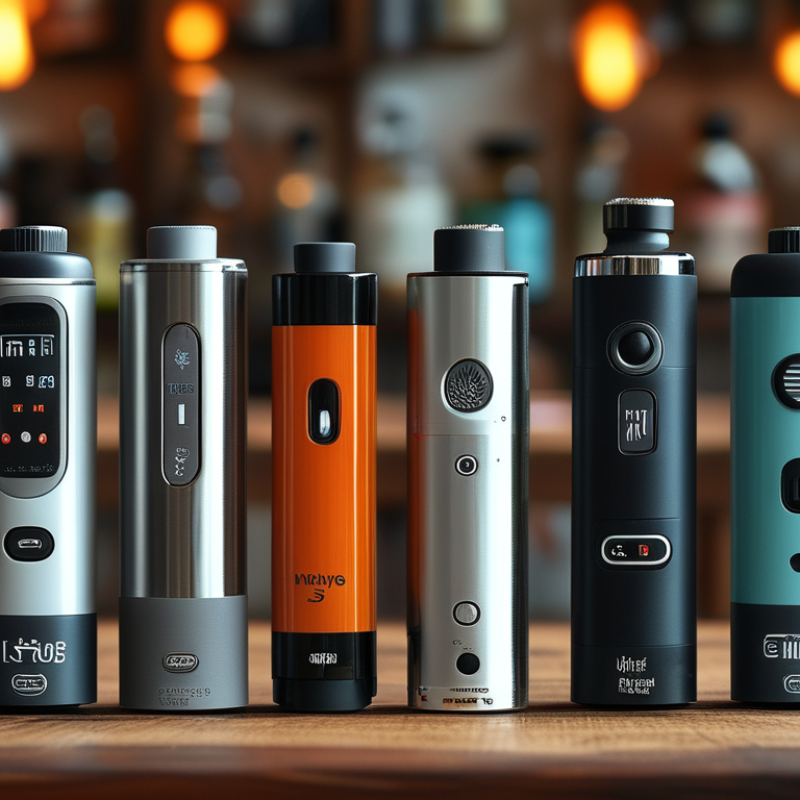
Vaping has become a popular alternative to traditional smoking. It's crucial to understand the various types of vape products available today. The market has evolved, offering options like e-cigarettes, vape pens, and pod systems. According to a report from the National Institute on Drug Abuse, about 27.5% of high school students reported using vape products in the past year. This highlights the need to be informed.
E-cigarettes often simulate smoking. They typically utilize nicotine salts for a smoother throat hit. On the other hand, vape pens offer customizable options. Users can adjust wattage and temperature. This flexibility allows for personal preferences. Pod systems have gained popularity due to their convenience. They are easy to use and often come prefilled, catering to busy lifestyles.
Despite their appeal, potential users should consider the risks. Misunderstanding vape components can lead to unsafe practices. Many beginner vapers may overlook proper maintenance, which can impact performance. Additionally, the absence of regulated quality control in some products raises concerns. It’s important to approach vaping wisely. Always seek reliable resources for information. Engaging in local discussions or forums can provide valuable insights.
| Type of Vape Product | Description | Typical Nicotine Strength | User Experience Level |
|---|---|---|---|
| Cig-A-Like | Looks like a traditional cigarette, very portable. | 6mg - 18mg | Beginner |
| Vape Pen | A bit larger, offers better performance, and more flavor options. | 3mg - 12mg | Beginner to Intermediate |
| Pod System | Compact, easy to use, often uses pre-filled pods. | 20mg - 50mg | Beginner |
| Box Mod | Larger devices with variable wattage and temperature control. | 0mg - 18mg | Intermediate to Advanced |
| RDA (Rebuildable Dripping Atomizer) | Requires manual wick and coil building, offers maximum flavor. | 0mg - 12mg | Advanced |
| RTA (Rebuildable Tank Atomizer) | Combines features of RDA with a tank for e-liquid storage. | 0mg - 12mg | Advanced |
| Disposable Vape | Pre-filled and ready to use, convenient for on-the-go. | 20mg - 50mg | Beginner |
| Nicotine Salts | Higher nicotine content with smoother throat hit; used in pod systems. | 20mg - 50mg | Beginner |
| Herbal Vape | Used for vaping dry herbs and concentrates. | Varies | Intermediate to Advanced |
: Common types include e-cigarettes, vape pens, and pod systems. Each serves different user needs.
E-cigarettes simulate smoking and use nicotine salts. Vape pens offer customizable wattage and temperature settings.
Key ingredients are propylene glycol (PG) and vegetable glycerin (VG). They affect throat hit and vapor density.
Yes, starting with lower nicotine levels can help beginners gauge their tolerance and enhance enjoyment.
Start with small quantities to avoid overwhelming your senses. Pay attention to your body’s responses.
Symptoms include dizziness, headaches, or nausea. These suggest it's time to reduce your intake.
Yes, maintaining a journal can encourage mindfulness and help control your consumption patterns over time.
Yes, flavorings shape the taste. Choose high-quality flavors to enhance enjoyment, but watch for potential allergies.
Seek reliable resources and engage in discussions. This can provide insights and help you make informed choices.
When exploring the world of vaping, what should beginners know before using vape products is crucial for a safe and enjoyable experience. Firstly, understanding the different types of vape products available—such as e-cigarettes, pod systems, and vape pens—is essential to choose the right one for personal needs. Additionally, beginners should pay close attention to the key ingredients found in vape juices, including flavors and nicotine levels, as these can significantly impact their vaping experience and health.
Moreover, newcomers need to be aware of nicotine dosing and tolerance to avoid adverse effects. It’s important to start with lower nicotine levels and gradually adjust as needed. Finally, practicing responsible usage and adhering to safety tips, such as proper storage and handling, can ensure a positive introduction to vaping. Being informed about regulations and legal considerations surrounding these products further empowers consumers to make safe choices in their vaping journey.

 ERA Vape